

By Ava Peterson
If your morning routine includes asking your phone about the weather, letting a fitness tracker monitor your sleep, or using voice commands to adjust the thermostat, you’re already living with the tech shifts reshaping daily life.
AI without the drama: tech running quietly in the background
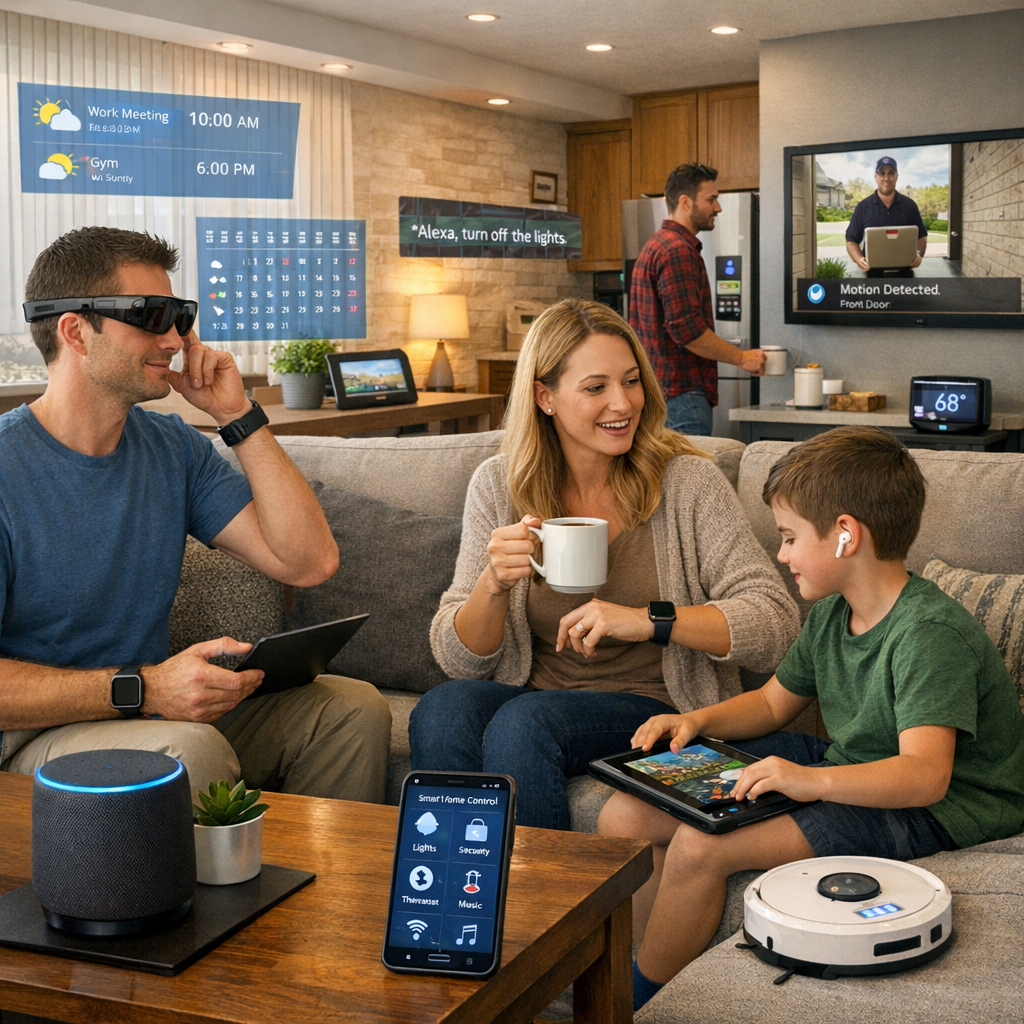
One of the biggest changes we’re seeing in consumer tech is “ambient intelligence”—devices that do things constantly, but subtly. Whether it’s your phone sorting photos or smart home tools adjusting settings without prompts, AI is gradually becoming part of the framework rather than the headline. For many, this means less fuss with new apps and more gradual upgrades to what you already use.
Examples include wearables that gauge your health trends, and smarter assistants built into everyday gadgets. These tools often save time and energy, especially when juggling work, errands, family, or school schedules.
Gadgets worth a look in a place like Moorhead
You don’t always need the newest model to feel improved. Here are a few technologies and gadgets that deliver noticeable value:
- Smart rings and screenless wearables: For notifications, health tracking, or even simple gesture controls without pulling out your phone.
- Improved smart glasses: With better designs and more useful features—hands-free directions, lightweight translation, or heads-up displays—these may become more realistic for everyday use rather than just novelties.
- On-device AI for privacy and speed: Devices that process things locally (photos, voice commands, translations) instead of cloud-based tools offer better responsiveness and more control over personal data.
- Connected home tech that simplifies chores: Think smart plugs, robot vacuums, or learning thermostats that adapt to your patterns—these aren’t flashy, but they often make the largest impact on time and energy savings.
Balancing opportunity with challenge
Smarter tech makes many tasks easier—but it also brings concerns:
- Privacy and data security: The more devices that collect data in your home or on your person, the greater the risk of leaks, misuse, or even confusion over who owns what information.
- Digital literacy gaps: Not everyone grows up tinkering with new tech; older adults, newcomers, or lower-income households may face barriers in setting up or utilizing these tools well.
- Cost vs. value: Premium gadgets are rising fast in price. Buyers in places like Moorhead may be especially attentive to whether a new device justifies its cost through utility, durability, and support.
What to try first—and where to find help locally
Thinking of making a change? Here are steps that tend to work for people here in Moorhead:
- Start with one good trial: Borrow or find a local tech meetup to test a gadget—see if a smartwatch or smart plug really makes a difference in your everyday.
- Use resources at MSUM, Concordia, or the tech college: Students and faculty often pilot or host workshops on AI, coding, or smart home tools; these can be great support when you’re experimenting.
- Watch for durable designs and warranties: Prioritize brands that offer long software support and replaceable parts—things break, and repair is cheaper and more sustainable than replacement.
Smart tech and AI aren’t just for big cities. Even here in Moorhead, the choices we make about gadgets and tools are quietly rewriting how we manage our homes, workflows, and wellbeing—if we take a moment to notice.